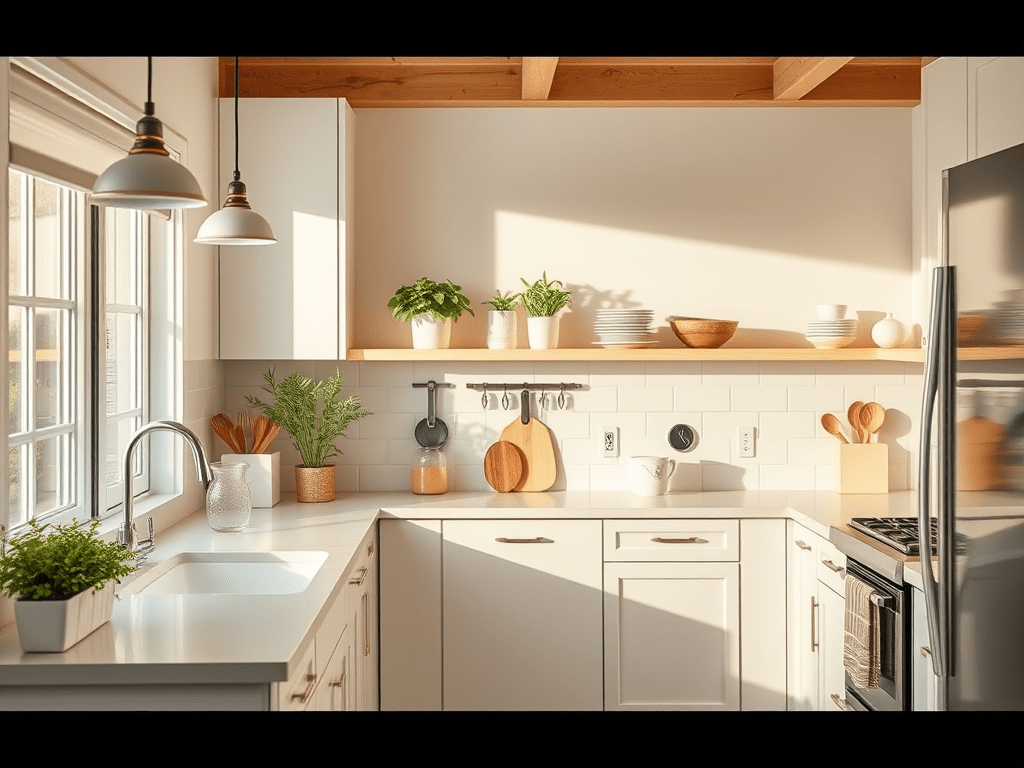
Most people think a well-running home means cleaning all the time.
It doesn’t.
A home runs smoothly because of small systems. Not because someone is constantly wiping, scrubbing, and reorganizing.
As a Home Efficiency Mentor, I can tell you this:
clean homes are built on structure, not effort.
Here are the 10 small systems that make the biggest difference.
1. The “One-Touch Rule”
If something takes less than one minute – do it immediately.
– Hang the coat.
– Put the cup in the dishwasher.
– Return the shoes to the shelf.
Small delays create visual chaos. One-touch decisions prevent clutter from building up.
This single habit reduces daily cleaning dramatically.
2. A Weekly Cleaning Rhythm (Not Random Cleaning)
Instead of cleaning when things “feel messy,” assign light zones to specific days.
For example:
- Monday — bathrooms
- Wednesday — floors
- Friday — laundry reset
A simple weekly cleaning schedule prevents deep-clean emergencies.
The goal is maintenance, not perfection.
You can call it a home cleaning routine if you like. I call it peace of mind. 🧘♀️
3. A Laundry Flow, Not Laundry Piles
Laundry becomes stressful when it accumulates.
Create a flow:
- One main wash day
- One folding moment
- Immediate return to closets
No baskets living in corners for three days.
When laundry has a rhythm, it stops being overwhelming.
4. A 10-Minute Evening Reset
Before bed, reset common areas:
- Clear kitchen counters
- Load dishwasher
- Fold blanket on sofa
- Quick bathroom wipe
It takes less time than scrolling on your phone.
Morning feels lighter when the house wakes up clean.
5. Defined Drop Zones
Every home needs:
- A key zone
- A bag zone
- A shoe zone
- A mail, papers and magazines zone
Without defined landing spots, clutter spreads automatically.
Organization is not about more boxes. It’s about defined destinations.
6. The “Empty Sink” Standard
A clear sink changes how a kitchen feels.
Even if the rest of the kitchen is not perfect, an empty sink signals order.
It also prevents odor buildup and discourages pile-up.
This is a small system with a big psychological effect.
7. Supplies Where You Use Them
Keep cleaning products in the rooms where they’re needed.
- Bathroom spray in bathroom
- Microfiber cloth under kitchen sink
- Laundry supplies next to washer
When tools are accessible, tasks happen faster.
Efficiency is proximity.
8. The 5-Minute Morning Micro-Reset
Open windows.
Make beds.
Wipe bathroom sink quickly.
This isn’t cleaning. It’s alignment.
Small daily resets prevent weekend deep cleaning.
9. The “Out Before In” Rule
Before buying something new for the home, remove one item.
This applies to:
- Towels
- Kitchen gadgets
- Kids’ toys
- Decorative items
Homes stay manageable when volume stays controlled.
Storage problems are often volume problems.
10. Monthly Maintenance Block
Once per month, schedule one hour for:
- Checking fridge
- Wiping inside drawers
- Running washing machine clean cycle
- Reviewing cleaning supplies
Maintenance prevents bigger problems later.
This is how hotels and short-term rentals stay consistently clean — not by cleaning harder, but by cleaning systematically.
Why Small Systems Matter More Than Motivation
Motivation changes. Systems don’t. When your home runs on small, repeatable habits:
- Cleaning takes less time
- Clutter reduces naturally
- Laundry stays manageable
- Stress decreases
A smooth home is not about aesthetics. It’s about energy flow.
You don’t need to clean all day. You need structure that supports daily life.
That’s what home efficiency really means.
If You Want to Start Simple
Pick just three:
- Evening reset
- Defined drop zones
- Weekly cleaning rhythm
Test them for two weeks. Trus me, you’ll feel the difference.

 Monica Make It Simple
Leave a comment